

Maximizing Small Gardens: Designing with a Long Wishlist in Mind

Small gardens present a unique challenge for designers. When space is limited but the wishlist is long, creating a garden that meets all desires while maintaining beauty and functionality requires skill and creativity. Garden designers like Green Point Garden Design specialize in turning these challenges into opportunities, ensuring every element on the wishlist fits harmoniously into a compact outdoor space. This post explores how thoughtful design can transform small gardens into personalized retreats that feel spacious and fulfilling.

Understanding the Challenge of Small Gardens
Small gardens often come with a long list of features homeowners want: seating areas, flower beds, vegetable patches, water features, lighting, privacy screens, and more. The challenge lies in fitting all these elements without overcrowding the space or creating a cluttered look.
Designers must balance:
Functionality: Ensuring the garden serves its intended purposes.
Aesthetics: Maintaining visual appeal and harmony.
Flow: Creating easy movement and access.
Maintenance: Choosing plants and materials that suit the owner's lifestyle.
Without professional design, small gardens risk becoming cramped or underused. A well-planned design turns limitations into strengths.
How Garden Designers Approach a Long Wishlist
Garden designers start by listening carefully to the client’s wishlist. They ask questions to understand priorities and lifestyle needs. For example:
How will you use the garden? Relaxation, entertaining, gardening?
Which features are must-haves versus nice-to-haves?
What style do you prefer? Modern, cottage, minimalist?
How much time can you dedicate to maintenance?
Once priorities are clear, designers like Green Point Garden Design use creative techniques to fit everything in:
Zoning the Space
Dividing the garden into zones helps organize different functions. For example:
A seating zone with compact furniture.
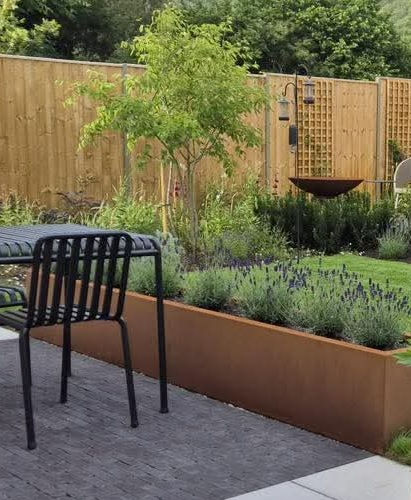
A planting zone with raised beds or vertical gardens.
A decorative zone with a small water feature or sculpture.
Zoning creates a sense of order and purpose, making the garden feel larger.
Using Vertical Space
Vertical gardening is a powerful tool in small gardens. Climbing plants, trellises, wall-mounted planters, and hanging baskets add greenery without taking up floor space.
Multi-Functional Elements
Designers incorporate furniture and features that serve multiple purposes. For example:
Benches with built-in storage.
Planters that double as dividers.
Foldable or stackable furniture to save space when not in use.
Choosing the Right Plants
Selecting plants that fit the space and conditions is critical. Designers often recommend:
Compact or dwarf varieties.
Plants with different heights and textures to add depth.
Perennials and low-maintenance species to reduce upkeep.
Examples of Small Garden Designs with Long Wishlists
Case Study 1: Urban Courtyard Garden
A client wanted a small courtyard garden with a dining area, herb garden, privacy screening, and mood lighting. The designer:
Created a compact dining nook with foldable chairs.
Installed vertical herb planters on one wall.
Used bamboo screens for privacy without blocking light.
Added solar-powered string lights for ambiance.
The result was a cozy, functional space that met all wishlist items.
Case Study 2: Suburban Backyard Retreat
Another client desired a small backyard with a water feature, flower beds, seating, and space for children to play. The designer:
Positioned a small pond in a corner with surrounding seating.
Used raised flower beds along the fence.
Created a soft lawn area for play.
Incorporated natural stone paths to connect zones.
This design balanced relaxation, beauty, and family needs.
Benefits of Professional Design for Small Gardens
Hiring a garden designer offers several advantages:
Maximized Use of Space: Every inch is planned for purpose.
Cohesive Style: The garden looks unified, not piecemeal.
Increased Property Value: Well-designed gardens enhance appeal.
Reduced Stress: Owners avoid costly mistakes and frustration.
Personalized Solutions: Designs reflect the client’s unique lifestyle.
Even small gardens can feel spacious and inviting with the right approach.
Tips for Homeowners with Small Gardens and Big Wishlists
If you’re planning your own small garden, keep these tips in mind:
Prioritize your wishlist. Identify essentials and flexible items.
Think vertically to expand planting and storage options.
Choose furniture that fits the scale of your garden.
Use light colors and reflective surfaces to create a sense of space.
Incorporate paths or stepping stones to guide movement.
Consider professional help to get the best results.
Final Thoughts on Designing Small Gardens with Long Wishlists
Small gardens do not have to limit your dreams. With thoughtful design, every item on your wishlist can find a place. Designers like Green Point Garden Design show that creativity and planning turn small outdoor spaces into beautiful, functional gardens. Whether you want a peaceful retreat, a lively entertaining area, or a productive garden, expert design makes it possible.
Start by defining your priorities and exploring design ideas that maximize your space. A well-designed small garden will bring joy and value for years to come.


Comments