

Adapting Planting Schemes for Changing Summer Weather and Heatwaves


Summer weather has shifted noticeably over recent years. Many regions now face longer periods of dry weather and intense heatwaves. These changes challenge gardeners and landscapers to rethink how they design planting schemes. The goal is to create gardens that not only survive but thrive with less water and minimal maintenance. In this post, we will explore how planting strategies are evolving to meet these new conditions, offering practical advice and examples to help you adapt your outdoor spaces.
Understanding the Impact of Changing Summer Weather
The rise in average temperatures and the frequency of heatwaves have a direct effect on plants. Extended dry spells stress many traditional garden plants, leading to wilting, poor growth, and higher maintenance needs. Water restrictions in some areas add pressure to reduce irrigation. This means gardeners must select plants that can withstand heat and drought while still providing visual interest.
Key challenges include:
Reduced soil moisture during long dry periods
Increased evaporation rates from soil and plant surfaces
Heat stress causing leaf scorch and weakened plants
Higher risk of pests and diseases that thrive in hot, dry conditions
Recognizing these challenges helps guide the choice of plants and design techniques that improve garden resilience.
Choosing Plants That Thrive in Dry, Hot Summers
Selecting the right plants is the foundation of a successful drought-adapted garden. Many species have natural adaptations to survive with less water. Here are some categories and examples:
Native and Mediterranean Plants
Native plants are often well-suited to local climate conditions, including dry summers. Mediterranean species are also adapted to hot, dry summers and mild, wet winters.
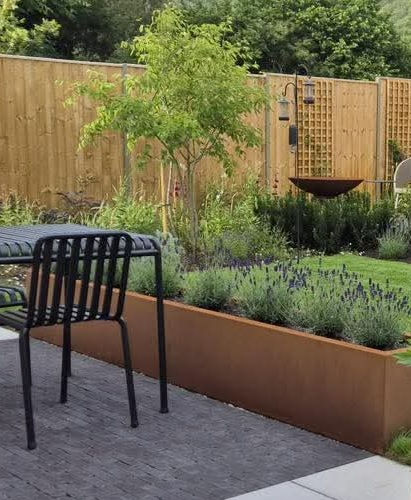
Lavender (Lavandula spp.): Aromatic, drought-tolerant shrub with purple flowers
Rosemary (Rosmarinus officinalis): Hardy herb that thrives in poor, dry soils
Cistus (Rockrose): Evergreen shrub with colorful flowers, very drought-resistant
...and more...
Succulents and Xerophytes
Succulents store water in their leaves or stems, making them ideal for dry conditions.
Agave: Architectural plant with thick, spiky leaves
Sedum: Low-growing groundcover with fleshy leaves
Echeveria: Rosette-forming succulent with colorful foliage
Ornamental Grasses
Grasses add texture and movement to planting schemes and often require little water once established.
Stipas, Calamagrostis, Miscanthus, and similar plants
Trees and Shrubs with Deep Roots
Plants with deep root systems can access moisture far below the surface, improving drought tolerance.
Olive Tree (Olea europaea): Slow-growing tree with silvery leaves etc
Designing for Water Efficiency and Low Maintenance
Plant choice alone is not enough. The layout and design of the garden must support water conservation and reduce upkeep.
Group Plants by Water Needs
Create zones based on how much water plants require. Group drought-tolerant species together and separate them from plants needing more moisture. This approach avoids overwatering some plants while underwatering others.
Use Mulch to Retain Soil Moisture
Applying a thick layer of organic mulch around plants reduces evaporation, keeps soil cooler, and suppresses weeds. Materials like bark chips, straw, or compost work well.
Improve Soil with Organic Matter
Healthy soil retains moisture better. Adding compost or well-rotted manure improves soil structure and water-holding capacity.
Incorporate Hardscape Elements
Paths, gravel beds, and stone features reduce the area needing irrigation and create visual interest. Hardscape also helps define planting zones.
Consider Shade and Wind Protection
Heatwaves can be more damaging when plants are exposed to direct sun and drying winds. Use shade trees, pergolas, or screens to protect vulnerable plants.
Practical Examples of Heat-Resilient Planting Schemes
Mediterranean Garden Style
A garden with olive trees, lavender, rosemary, and cistus creates a classic Mediterranean look. Gravel paths and terracotta pots add to the dry-climate feel. This scheme requires minimal watering once established and offers year-round interest.
Succulent Rock Garden
Arrange agave, sedum, and echeveria among rocks and gravel. This low-maintenance garden thrives in full sun and needs little water. It also attracts pollinators like bees and butterflies.
Native Prairie Garden
Use grasses like blue fescue and muhly grass mixed with drought-tolerant wildflowers. This naturalistic style supports local wildlife and adapts well to dry summers.
Maintenance Tips for Dry Summer Gardens
Even drought-tolerant gardens need some care to stay healthy:
Water deeply but infrequently to encourage deep root growth
Prune dead or damaged growth to improve air circulation
Monitor for pests that may increase during heat stress
Top up mulch annually to maintain moisture retention
Adjust irrigation schedules based on weather and plant needs
Looking Ahead: Trends in Sustainable Garden Design
Designers are increasingly focusing on sustainability and climate resilience. Some emerging trends include:
Rain gardens and swales to capture and use rainwater efficiently
Edible drought-tolerant plants like figs, pomegranates, and herbs
Green roofs and walls with drought-resistant species to reduce urban heat
Smart irrigation systems that adjust watering based on soil moisture and weather
These approaches help create gardens that are beautiful, functional, and prepared for future climate challenges.
Adapting planting schemes to changing summer weather is essential for creating gardens that endure heatwaves and dry spells. By choosing drought-tolerant plants, designing for water efficiency, and maintaining gardens thoughtfully, you can enjoy vibrant outdoor spaces with less effort. Start by assessing your local climate and soil, then experiment with plants and layouts that suit your conditions. Your garden will reward you with resilience and beauty through the hottest months.


Comments