

Enhancing Your Garden with Agapanthus Species: An Excellent Plan for Blooming Success


Adding Agapanthus species to your garden can transform it into a lively, colorful space with minimal effort. These plants, often called African lilies, are known for their striking blue or white flowers and their ability to thrive in various garden settings. If you want a reliable, eye-catching addition to your garden, Agapanthus species offer an excellent plan for blooming success.
Why Choose Agapanthus for Your Garden?
Agapanthus species are popular because they combine beauty with resilience. They produce large clusters of trumpet-shaped flowers that attract pollinators like bees and butterflies. Their long, strap-like leaves create a lush green backdrop that complements many garden styles.
These plants are drought-tolerant once established, making them suitable for gardens in regions with dry spells. They also tolerate a range of soil types, from sandy to clay, as long as drainage is good. This adaptability means you can plant Agapanthus in borders, containers, or as ground cover.
How to Plant and Care for Agapanthus
To get the best results, plant Agapanthus in a sunny spot where they receive at least six hours of sunlight daily. They prefer well-drained soil enriched with organic matter. Here are some practical tips for planting and care:
Planting time: Early spring or fall is ideal for planting Agapanthus to allow roots to establish before extreme temperatures.
Spacing: Leave about 18 to 24 inches between plants to give them room to grow.
Watering: Water regularly during the first growing season. After that, water sparingly, especially in rainy seasons.
Fertilizing: Use a balanced fertilizer in spring to encourage healthy growth and flowering.
Pruning: Remove spent flower stalks to promote new blooms and keep the plant tidy.
Design Ideas Using Agapanthus Species
Agapanthus species fit well in many garden designs. Their tall flower stalks add vertical interest, while their dense foliage fills gaps between other plants. Here are some ideas to incorporate them effectively:
Borders and Edges: Plant Agapanthus along garden paths or borders to create a natural, colorful edge.
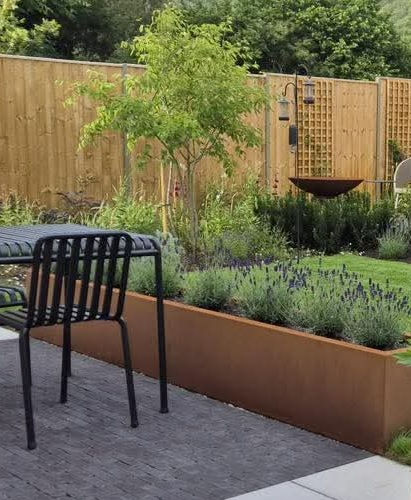
Mixed Beds: Combine with other perennials like lavender, salvia, or ornamental grasses for varied texture and color.
Containers: Use large pots to showcase Agapanthus on patios or balconies, where their flowers can be admired up close.
Mass Planting: Create a bold statement by planting Agapanthus in groups for a sea of blue or white blooms.
Common Challenges and Solutions
While Agapanthus species are generally low-maintenance, some issues can arise:
Pests: Snails and slugs may feed on young leaves. Use organic slug pellets or handpick pests early in the morning.
Overwatering: Too much water can cause root rot. Ensure soil drains well and avoid waterlogging.
Cold Sensitivity: In colder climates, protect plants with mulch during winter or grow them in containers that can be moved indoors.
Final Thoughts on Growing Agapanthus
Choosing Agapanthus species for your garden is a smart way to add lasting beauty with minimal fuss. Their vibrant flowers and hardy nature make them a favorite among gardeners looking for reliable bloomers. By planting them in the right spot and following simple care guidelines, you can enjoy their stunning display year after year.
Enjoy gardening :)
GPGD


Comments