

Achieving Sustainable Garden Landscaping in the Netherlands
- Wojciech Perz
- Jun 6
- 4 min read

Creating a garden that is both beautiful and sustainable is a rewarding challenge, especially in the unique climate and cultural context of the Netherlands. Over the years, I have learned that sustainable garden landscaping is not just about planting greenery; it’s about designing an ecosystem that thrives naturally, conserves resources, and reflects the personality of the space it inhabits. Whether you are looking to transform a small urban courtyard or a sprawling commercial property, embracing sustainability can lead to a garden that is vibrant, resilient, and deeply connected to its environment.
Embracing Sustainable Garden Landscaping Principles
Sustainable garden landscaping is a thoughtful approach that balances aesthetics with environmental responsibility. It involves selecting plants, materials, and practices that reduce waste, conserve water, and support local biodiversity. In the Netherlands, where water management and seasonal changes play a significant role, these principles become even more critical.
One of the first steps I recommend is to assess the site’s natural conditions. Understanding soil type, sunlight exposure, wind patterns, and drainage helps in choosing the right plants and materials. For example, sandy soils common in parts of the Netherlands drain quickly, so drought-tolerant plants like lavender or sedum can be excellent choices. Conversely, areas prone to waterlogging benefit from moisture-loving species such as willows or marsh marigolds.
Incorporating native plants is another cornerstone of sustainable design. Native species are adapted to local conditions, require less maintenance, and provide essential habitats for pollinators and wildlife. Dutch native plants like the common heather (Calluna vulgaris) or the wild daisy (Bellis perennis) can add seasonal interest and support local ecosystems.
Water conservation is a priority in sustainable gardens. Installing rainwater harvesting systems or designing rain gardens can help manage excess water during wet periods and reduce reliance on mains water during dry spells. Mulching around plants also retains soil moisture and suppresses weeds, reducing the need for chemical interventions.

Practical Steps for Sustainable Garden Landscaping
When it comes to putting sustainable principles into practice, I find that breaking the process down into manageable steps makes it easier to achieve lasting results. Here are some actionable recommendations that have worked well in my projects:
Plan for biodiversity: Include a variety of plants that flower at different times to support pollinators year-round. Add bird feeders, insect hotels, and small water features to encourage wildlife.
Use permeable surfaces: Replace concrete or asphalt with gravel, permeable pavers, or wood chips to allow rainwater to soak into the ground.
Choose sustainable materials: Opt for recycled or locally sourced materials for paths, fences, and garden furniture. Avoid plastics and chemically treated wood.
Implement crop rotation and companion planting: For edible gardens, rotating crops and planting complementary species can improve soil health and reduce pests naturally.
Compost garden waste: Create a composting area to recycle leaves, grass clippings, and kitchen scraps into nutrient-rich soil amendments.
These steps not only reduce environmental impact but also create a garden that feels alive and balanced. I often encourage clients to view their garden as a living project that evolves with time, rather than a static display.
Designing with Climate and Culture in Mind
The Netherlands has a temperate maritime climate, characterised by mild summers, cool winters, and frequent rainfall. This climate influences plant selection and garden layout. For instance, windbreaks made from hedges or trees can protect delicate plants and create microclimates that extend the growing season.
Culturally, Dutch gardens often blend functionality with beauty. Many homeowners appreciate spaces that are both relaxing and productive, such as combining ornamental flower beds with vegetable patches or herb gardens. This dual-purpose approach aligns perfectly with sustainability goals.
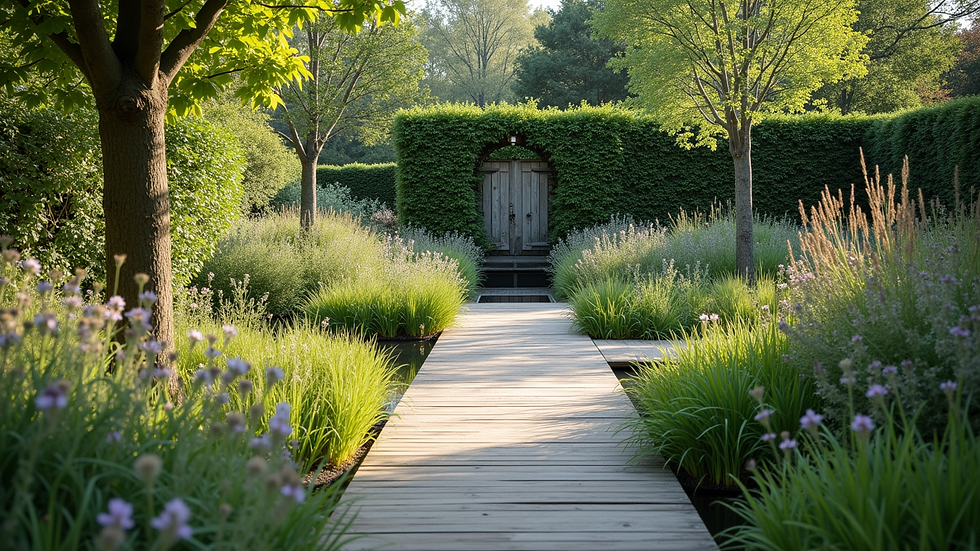
In my experience, integrating traditional Dutch garden elements like water features, brick pathways, and neatly trimmed hedges with modern sustainable practices creates a harmonious balance. For example, a small pond can serve as a habitat for frogs and insects while adding a tranquil focal point.
The Role of Technology and Innovation
Sustainable garden landscaping in the Netherlands also benefits from advances in technology and innovative design solutions. Smart irrigation systems, for example, can monitor soil moisture and weather conditions to water plants only when necessary, significantly reducing water waste.
Solar-powered garden lighting and water pumps are other eco-friendly options that enhance the garden’s functionality without increasing its carbon footprint. Additionally, vertical gardens and green roofs are gaining popularity in urban areas where space is limited, providing insulation and improving air quality.
I have found that combining traditional horticultural knowledge with these modern tools allows for gardens that are not only sustainable but also highly efficient and easy to maintain. This approach is especially valuable for commercial clients who need attractive outdoor spaces that require minimal upkeep.
Creating Personalised Sustainable Gardens
Every garden tells a story, and sustainable design should reflect the unique needs and tastes of its owner. Whether you prefer a minimalist, contemporary look or a lush, cottage-style garden, sustainability can be woven into the design without compromising style.
Start by identifying your priorities: Do you want a space for relaxation, entertaining, growing food, or supporting wildlife? From there, select plants and materials that align with these goals and the local environment.
For example, if you love cooking, incorporating raised vegetable beds with companion planting can provide fresh produce while enhancing soil health. If you enjoy quiet contemplation, a shaded seating area surrounded by fragrant herbs and native flowers can create a peaceful retreat.
By working closely with a knowledgeable garden designer, you can ensure that your garden is both beautiful and sustainable, tailored to your lifestyle and the Dutch climate.
Growing a Greener Future with Sustainable Gardens
Sustainable garden landscaping is more than a trend - it’s a commitment to nurturing the earth while creating spaces that inspire and delight. In the Netherlands, where environmental awareness is high and green spaces are cherished, adopting sustainable practices is both a responsibility and an opportunity.
If you are considering a new garden or looking to transform an existing one, I encourage you to explore the possibilities of sustainable design. From choosing native plants to incorporating smart technology, every decision contributes to a healthier planet and a more enjoyable outdoor space.
For those interested in expert guidance, exploring resources and professionals specialising in garden design netherlands can provide valuable insights and support.
Together, we can create gardens that are not only stunning but also resilient, resourceful, and deeply connected to the natural world. Let’s grow greener, one garden at a time.


Comments